

Nervous About Driving Lessons? Here is How to Overcome the Fear
Feeling anxious before your first driving lesson is completely normal. Many learners worry about making mistakes, stalling the car, or being judged by other road users. Some fear losing control. Others simply feel overwhelmed by traffic, rules, and responsibility. The truth is simple. Nervousness does not mean you cannot become a confident driver. It often means you care about doing things properly.
This guide explains why driving anxiety happens and how you can overcome it with practical, realistic steps.
Why Driving Anxiety Happens
Fear during driving lessons in Beaumont usually comes from one of these reasons:
- Fear of failure
- Fear of embarrassment
- Fear of accidents
- Fear of busy roads
- Fear of not understanding instructions
Your brain sees driving as a high responsibility task. You are controlling a moving vehicle in shared public space. That responsibility can trigger a stress response.
However, modern driving instruction is structured, gradual, and safety focused. Plus, you are not expected to know everything on day one.
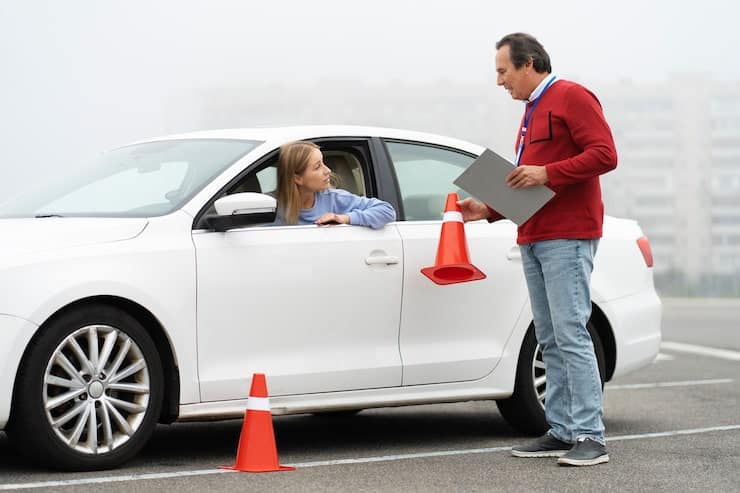

What Really Happens in Your First Lesson
Many learners imagine chaos. In reality, your first driving courses in Beaumont are calm and controlled.
You will usually:
- Sit in the driver seat while the instructor explains basic controls
- Learn how to adjust mirrors and seating
- Practice moving off and stopping in a quiet area
- Drive at low speed in a controlled environment
You will not be taken into heavy traffic immediately. Professional instructors follow progressive lesson plans designed for beginners.
Knowing what to expect reduces fear significantly.
Practical Ways to Overcome Fear
01. Start With Small Wins
Confidence grows through repetition
Your first goal is not to drive perfectly. It is to move the car safely and stop smoothly. Once that feels comfortable, the next skill builds naturally. Celebrate small improvements. Even smoother braking is progress.
02. Communicate Your Nerves Early
Tell your instructor you feel anxious. A good instructor will adjust pace and tone accordingly.
They can:
- Break instructions into smaller steps
- Avoid busy roads at first
- Offer reassurance
- Explain mistakes calmly
Driving lessons in Beaumont are not a test environment. They are learning sessions.
03. Practise Breathing Techniques
Before starting the engine, take a slow breath for four seconds. Hold for four seconds. Breathe out for four seconds. This lowers heart rate and improves focus. Anxiety reduces when breathing slows down.
You can repeat this during the lesson at traffic lights.
04. Learn the Theory Properly
Understanding road rules reduces uncertainty.
When you know:
- Who has right of way
- How roundabouts function
- How to position the car in turns
You feel more in control.
Study official road rule guides and practise hazard perception tests regularly. Knowledge reduces fear.
05. Reframe Mistakes as Feedback
Stalling the car is common. Rolling backwards slightly is common. Missing a gear is common. Even experienced drivers make small errors daily. Instead of thinking, “I failed,” try thinking, “I am improving.”
Mistakes during lessons are safer than mistakes after you get your licence. That is the purpose of driving courses in Beaumont.
06. Avoid Comparing Yourself to Others
Some learners take 10 lessons. Others take 40. Driving ability depends on coordination, confidence, prior exposure, and learning style. Progress is individual. Comparison creates unnecessary pressure.
Focus on your development.
Gradual Exposure Builds Real Confidence
Confidence does not appear suddenly. It grows from repeated safe exposure. A usual learning journey looks like this:
- Quiet streets
- Residential roads
- Slightly busier areas
- Roundabouts
- Multi lane roads
- Test routes
Each step feels challenging at first. Then it becomes routine.
That is how confidence forms.
Building Confidence Between Lessons
You can strengthen progress even outside the car.
Try these strategies:
- Visualise yourself completing turns successfully
- Watch instructional driving videos from reputable sources
- Practise mirror and signal routines mentally
- Sit in a parked car and familiarise yourself with controls
Mental rehearsal improves performance.
Join Our Driving School and Overcome Driving Jitters!
LEAP Driving School focuses on creating calm, structured, and confidence-building driving courses in Beaumont for learners of all ages. These are delivered with patience, clear instruction, and progressive skill development. The goal is not only passing the driving test but developing safe, capable, and independent drivers for life.
Dial 780 490 7100 to enquire or book our driving lessons.
Frequently Asked Questions
2. What if I freeze at a roundabout?
Instructors anticipate this. They guide you verbally and can intervene using dual controls if needed. Repetition reduces hesitation quickly.
3. How many lessons does it take for nerves to reduce?
Most learners report significant improvement within 5 to 8 structured driving lessons in Beaumont, depending on practice frequency.
4. Can anxiety cause me to fail the driving test?
Anxiety alone does not cause failure. Lack of preparation does. Structured practice and mock tests build familiarity that reduces test day stress.
5. Should I choose automatic if I am very nervous?
Automatic vehicles reduce workload because there is no clutch control. This can help highly anxious beginners focus more on steering and awareness.
6. What if I had a previous bad experience learning to drive?
Discuss it openly with your instructor. A fresh structured approach often resets confidence and rebuilds trust in the process.